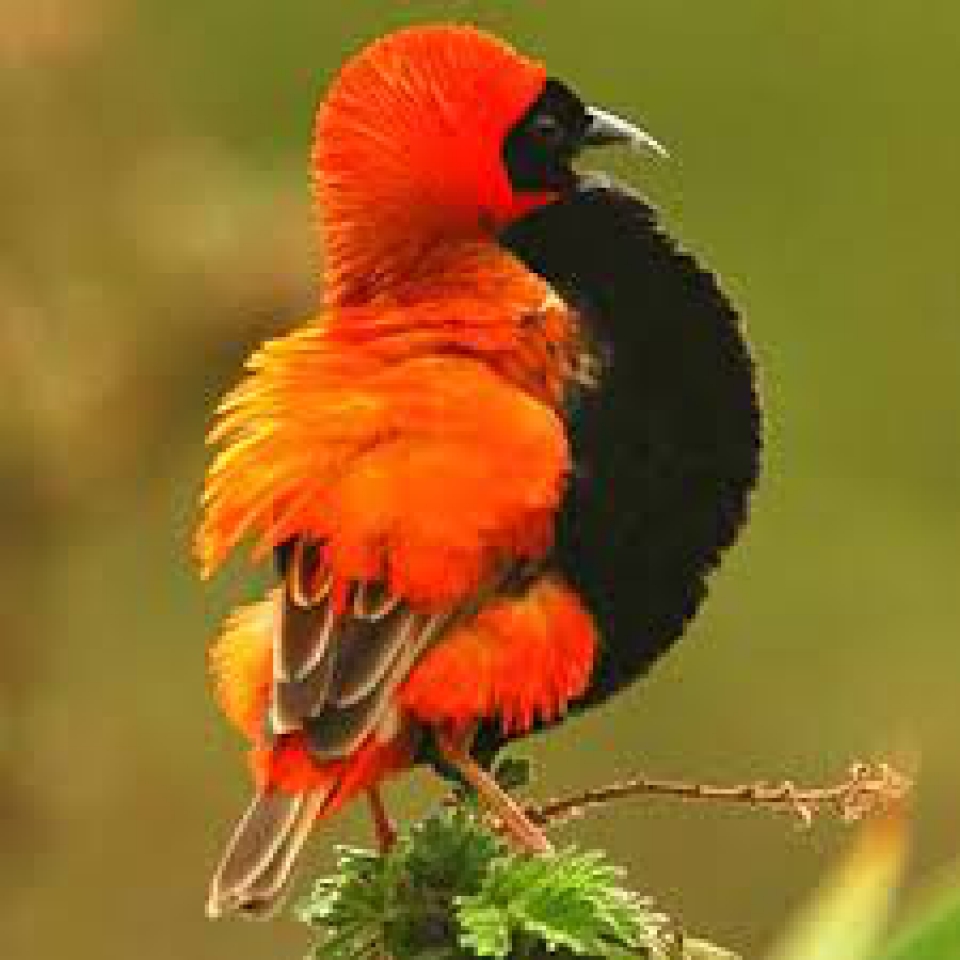
My Passion which I will share with you really began when I was about 13 yrs old. But prior to that I had developed a keen interest in collecting bird’s eggs which turned out to be a very popular hobby at school at that time. This was a wonderful way to get to know the different species, their calls, and their nesting sites.
As mentioned, when I was about 13, our family spent a holiday at East London, South Africa,
where we visited a Beautiful Park in the neighbourhood…….The Queen Elizabeth Park…….. and I was just about blown away by an aviary full of Red Bishop birds.

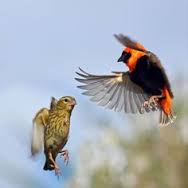
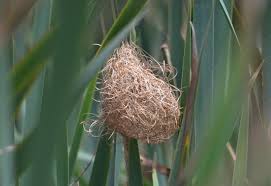
There must have been about 30 or 40 birds and it was in the height of the breeding season. So the wire mesh roof of the aviary was covered in nests and the whole aviary was a flurry of activity. The cocks being in full colour were like balls of fire as they puffed themselves up and fluttered their wings.
I could have spent the whole day watching them.
That was the trigger that set me going and I just knew what I wanted and that I had to have an aviary of birds of my own as well. Needless to say I could hardly wait to get back home to Bulawayo my hometown situated in what is now Zimbabwe.
Fortunately I had an uncle who was a handyman and helped me build quite a large aviary which I filled up with masked Weavers.
By choice I slept on our veranda right opposite my aviary and one night I was horrified to see huge rats running about inside the aviary. I had noticed that the number of weavers was growing less and less. So now I knew the answer and the first lesson I learnt was.... Rats Kill birds and Rats Eat birds. ( More about this later)
The aviary was then relocated to a sunny spot on the lawn and in the space of about 2 years , I had built up a collection of about 50 species.
I very soon learnt the next important lesson when I was give a stunning pair of Violet eared Waxbills. Not knowing better, I put them in the aviary quite late one afternoon.
It was winter and next morning they were both found dead. So Lesson No. 2 was ...........Don`t put new birds into your outdoor aviary late in the afternoon especially in winter.Keep them indoors and release next morning when the sun is shining or it is fairly warm.
The point of sharing all this is because if we want to start keeping birds, we first have to consider what our motivation and agenda is, as this will affect our choice of style of keeping birds.
What Inspired us and where does our motivation lead us?
Motivating Factors
Consider these 3 forms of motivation that would inspire you to want to keep birds.:
• As a Hobby/ For the sheer Pleasure and enjoyment of keeping birds
• For pleasure + a Sideline income.
• For Commercial reasons.
According to what motivates us the most, so will it decide and influence our choice of style of bird keeping.
The 4 styles of housing your birds
There are 4 main styles of keeping birds i.e. the way your birds will be housed
(i) Cabinet Breeder cages
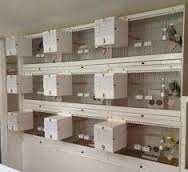
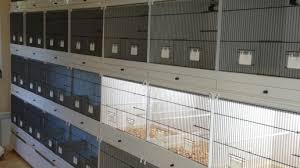
• Housed in Bird rooms ----these are the most commonly used for specialising in single specie birds eg Zebra finches, Bengalese, Gouldians.
This form offers wide control over Breeding, feeding and external conditions. (eg Lighting ,Temperature control, Feeding)
So if you have limited space or facilities, and would like to concentrate on a few species only, this would be the way to go.
(ii) Stand Alone or Multiple Cubicle Aviaries

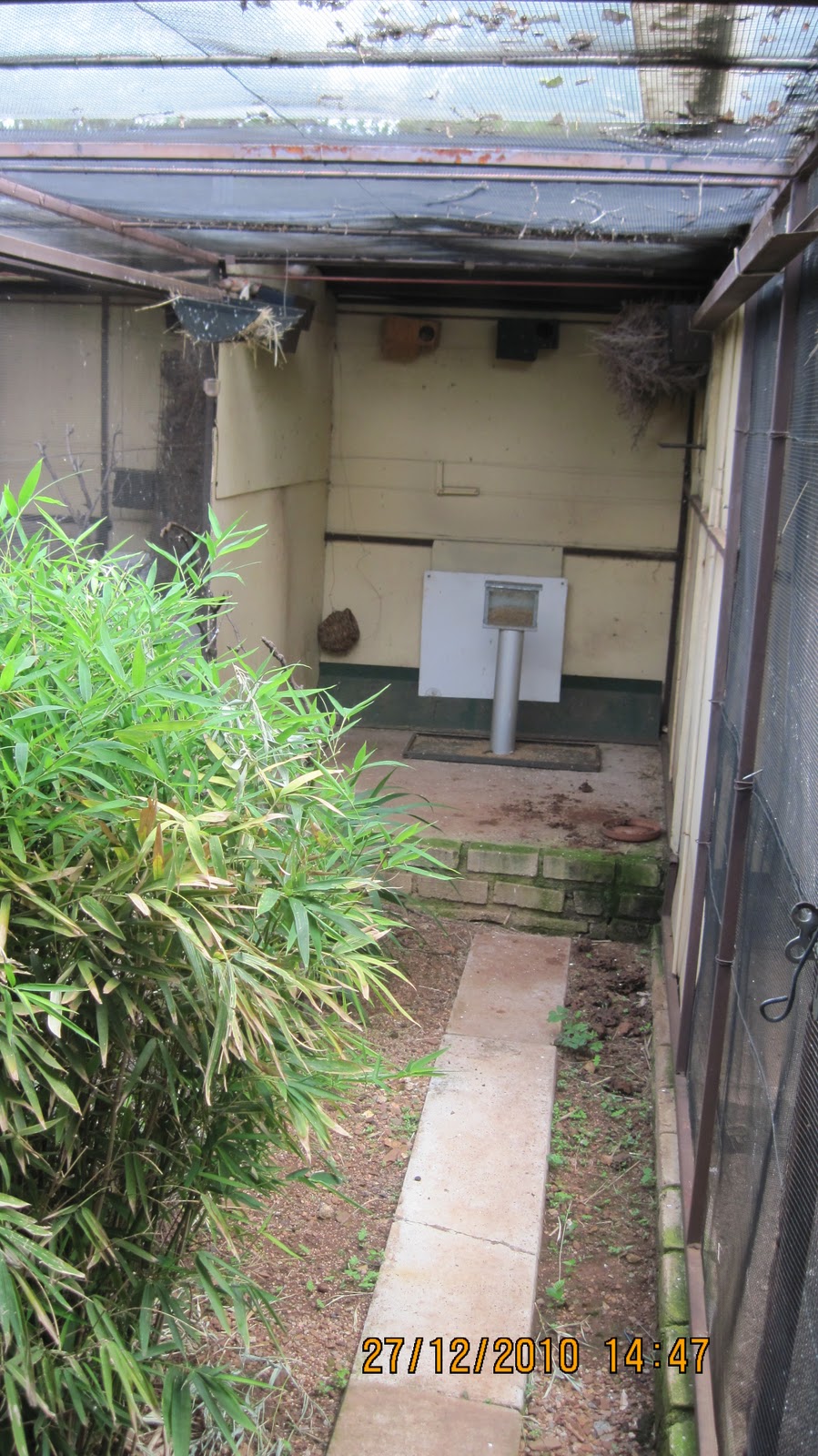
This is the most common style of bird keeping in South Africa and this will mainly be motivated by a combination of enjoying the pleasure of keeping and breeding your birds while at same time being able to breed them well enough to pay for their feed and even allow you to add more birds to your collection.
Think of these aviaries as large walk-in cages which can be situated outdoors or indoors. If situated indoors, again you could have a more controlled management environment than if situated outdoors.
However situating them outdoors is far more natural for the birds where they can enjoy sunshine and a certain amount of rain among other things.
There should be shelter the one end where the birds can sleep and shelter from inclement weather.
Being larger, it is possible to keep more pairs of birds than in double breeders.
You could start off with a single stand-alone cubicle aviary which can be expanded at a later stage by adding on extra adjacent cubicles to it.
This Style of bird keeping employing cubicles ((i.e.for Pleasure and Profit) , is what we will mainly be focusing on for this presentation
iii) Display aviaries.
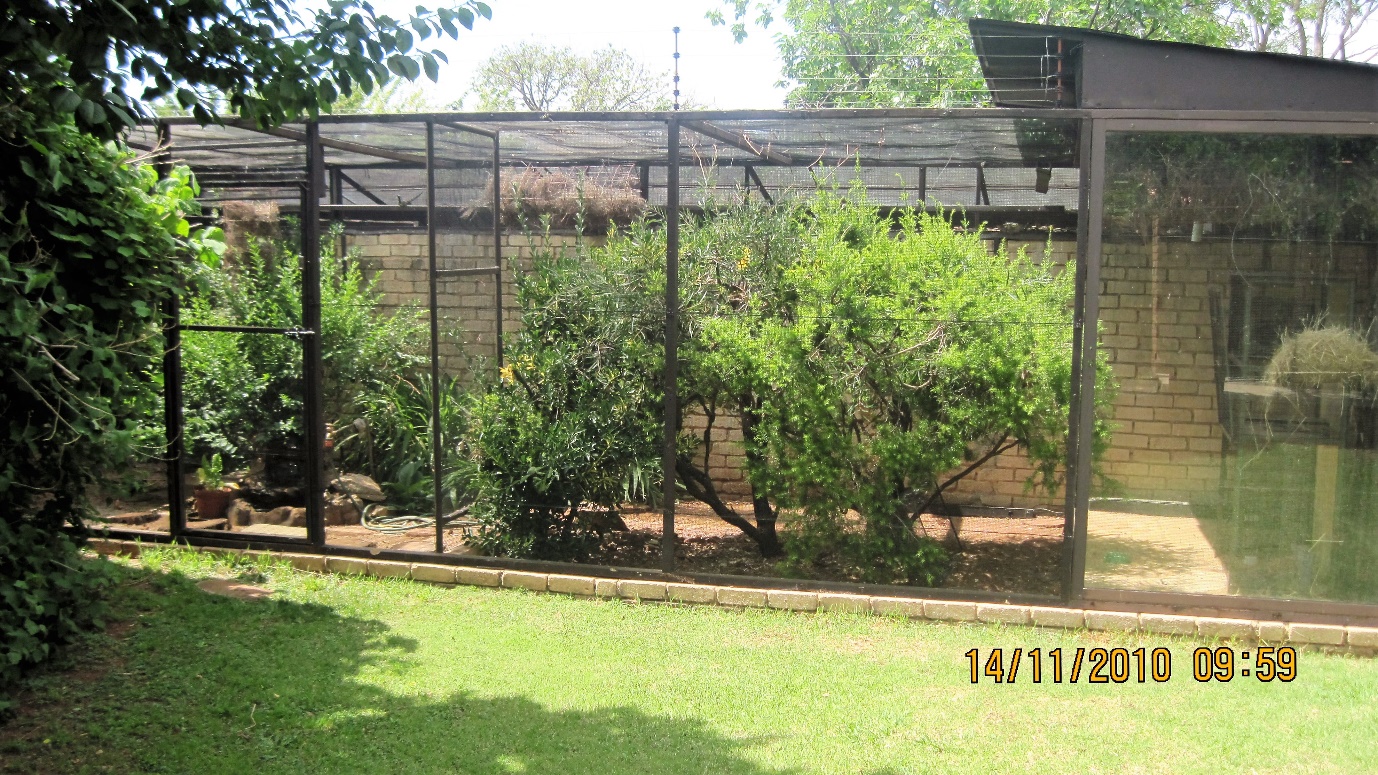
My Favourite! Motivated by Sheer Pleasure and enjoyment A much larger aviary and on a much Grander scale which leads to greater scope for creating a wonderful feature in your garden.. Normally there’s space for having shrubs, clumps of seeding grasses, creepers and much more growing inside the Aviary.
Also can have a greater variation of nesting sites, perches, and even a water feature and rockery.
Keeping birds for the pure pleasure and enjoyment means that because of having a large mixed collection of birds in one aviary, your breeding success won’t be as great as the other 2 styles since there will be a lot of bullying and interference between the individual and similar species. And if the birds do breed, that will be a bonus.
(iv) Commercial….
Your main motivation may be to engage in Bird keeping commercially and make a full time living from it This will obviously be on the largest scale of all. It will require a lot of capital as well as expertise and knowledge of Birds and their care.
It should be mentioned that the reality is that parrot breeding is more lucrative than breeding finches, so it follows that most commercial bird farms will be concentrating on breeding Parrots.
Selecting the birds for your set-up
There are a number of important issues to consider as to what is the right "Mix" of birds kept together
1. Compatibility Having decided the route you want to take, you will need to know which birds work well and live peacefully together in an aviary.
Without understanding the compatibility of your birds amongst others, you may be heading towards some serious problems. Examples of bullying often take place, even to the extent of the dominant bird/s killing other birds.
Some birds, such as zebra finches are known to interfere with other birds’ nests. Yet others are known to be egg eaters.
The great advantage of the Cubicle aviaries is that you can keep and breed a mixed collection of birds in one aviary.
A Mixed Collection describes an aviary that houses a variety of Finch species.
Be sure to monitor your finches when placed in the aviary. Any signs of aggression or injury require you to immediately remove both the aggressive individual and pairs as well as the injured.
You may find that aggression and territorial levels of conflict will increase over the breeding season so be sure to have alternative holding cages if need be.
Example of a Mixed Aviary: Birds that will mix together peacefully
Pair of Gouldians
. Pair of Stars
. Pair of Owl Finches
Pair of Red Headed Parrot Finches
. Pair of Red Eared waxbills
2. Housing— Cubicle Aviaries
• Vermin Proof as much as possible.(Rats Kill and eat birds) Lay the framework on one or two courses of bricks laid on a concrete foundation.
• Use 6mm square or 9mm x 6mm mesh.( This is to prevent the smallest mouse getting through the mesh)
• The flight floor ideally to be earth so that weeds and plants can grow freely. The shelter floor should be cement and should be raised above the flight ground level so that Heavy rain wont flood out the shelter area.
• Material used for housing should be made from insulated materials to restrict temperature fluctuations to a minimum.
• The shelter one end should provide shade in summer and protection from rain and cold winds and inclement weather.
• Sleeping Quarters and Flight to face North or East.
• Make sure birds can receive early morning sun at least and preferably Late afternoon as well.
• Water dishes should not be located under perches where they can be soiled by bird droppings.
• Feeding utensils should be protected from rain and kept dry.
• If space permits, add some plants eg. Clump of Seeding grass, Small shrubs
• Provide hanging Clumps of Bluebush in shelter and flight area as roosting and nesting sites.
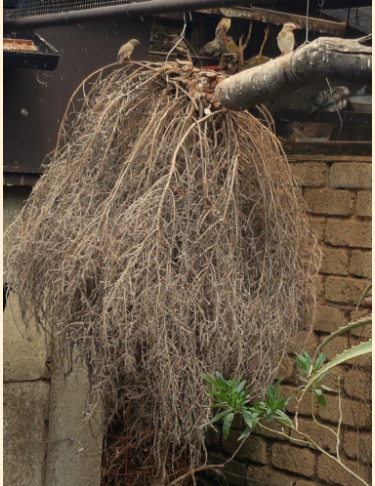
Bluebush --------Nesting and Roosting site

BLUE BUSH in its prime
• Perches as natural as possible and varying thicknesses. Avoid using Wooden Dowels if possible (different thickness perching provides excercise---- (opening and closing of their feet)
and prevents their claws growing long
3.Feeding
(i) Seeds
A common staple diet for finches consists of:-
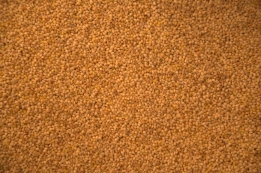
Red Manna—(Probably the most popular)
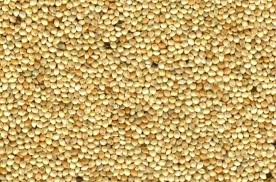
White millet (Harder than the others).
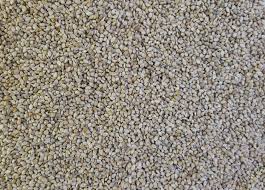
Japanese Millet--- Best seed to sprout
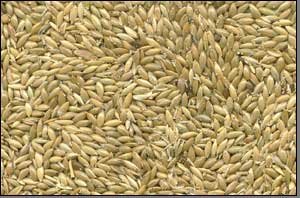
Canary seed--least popular.
Can be bought ready mixed.
Or you can mix it yourself (Normally I mix in equal proportions by volume-----Except Canary seed )
The bird seed can be placed in automatic feeders which will avoid the need to replace every day. Keep Dry at all times and dispose of husks on a regular basis.
(ii) Water
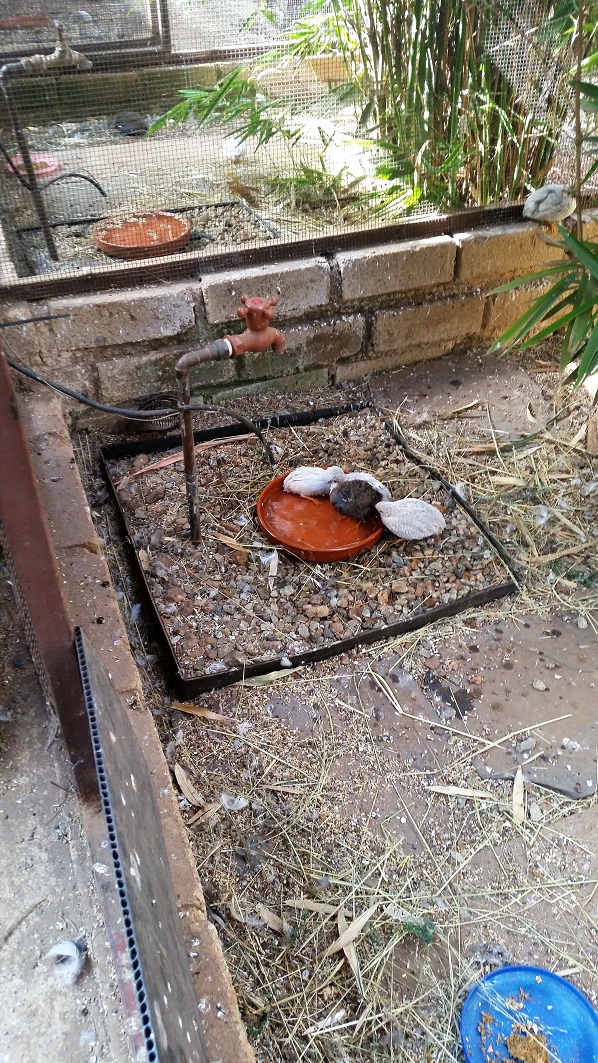
Quails taking a water bath for a change
Most birds drink water every day and your birds need fresh, clean water for drinking So its important to ensure they get clean fresh water daily.
They also enjoy bathing, which is a very important aspect of providing water for your birds. For this reason, it is preferable to provide shallow water dishes large enough to bathe in.
Not only does bathing enhance their well-being but it also assists in maintaining healthy plumage. Watching birds bathing and squabbling for the best position in the water bowls and then watching them preening themselves and fluffing themselves up afterwards is one of the pleasures of keeping birds.
Water bowls should not be too deep, ideally not more than 30mm deep as the birds seem to feel more secure when they’re in shallow water.
Remember, especially in summer, when certain birds such as Star Finches who like to bathe several times a day and tend to empty the dishes with the fluttering of their wings, to top up the water dishes if need be.
(iii) Livefood
One of the most important things for successfully breeding finches is LiveFood.
In the wild, Finches have a wide range of feeds at their disposal. Not only do they feed on wild grass seeds,( both dry and in the green milky stage), but they also feed on other items such as greens, flower heads, moths, grasshoppers, crickets and termites.
These items together form a balanced diet and provide all the dietary needs for the baby birds developing into adulthood.
So in Aviculture, we need to duplicate as far as possible, the food available in nature and this is where our challenge begins.
We are not so fortunate as our overseas counterparts who have a host of commercially available Live Foods at their disposal.
Instead, our choice of Live Food is rather limited mainly to Mealworms, Crickets and Termites.
The former two can be bred at home if you so wish but unfortunately one has to go further out of the urban areas to find termites.
Of the 3 forms of live foods, termites are by far the most popular and beneficial. Trouble is they are being pushed further and further away from the built up areas due to urbanisation and so are more difficult to obtain.
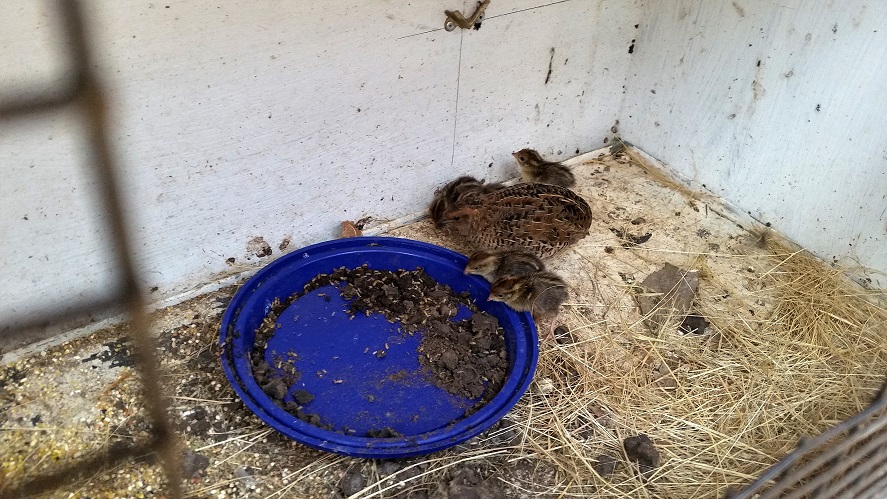
Harlequin Quails Feeding on termites
Most finches and waxbills require Live food throughout the year in order to maintain good health. When breeding commences,
however, then Live Food becomes crucial especially for African and South African birds in particular.
Meal Worm
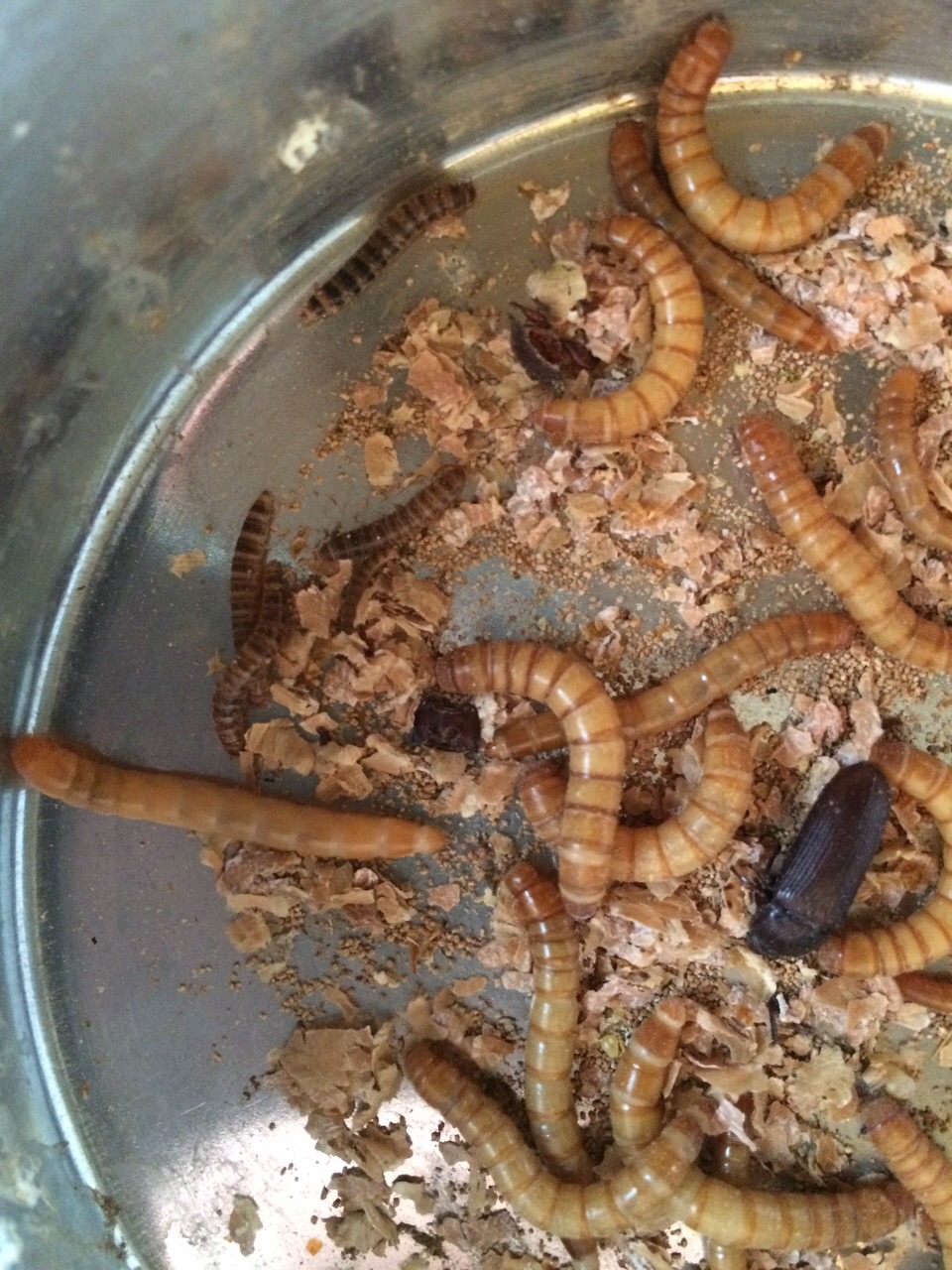
Breeding Meal Worms will take a while to get started, but once there are plenty of beetles laying eggs you will have worms for as long as you need. You should start with at least one hundred mealworms, but can begin with many more. Then, all you need is a container, substrate, and a source of food and moisture.
Crickets.
Crickets are not as simple and straight forward to breed as meal worm. They are available commercially and it is advisable to get to know which birds eat crickets and how crickets react and behave before attempting to breed them yourself.. They can be kept inactive if kept cold in a fridge . As they “thaw” out after being offered to your birds, their movement will soon attract their attention.
Softfood.
In the wild, finches have the luxury of variety, hence Greens, Live food and seeds are all available to them in the wild.
However Live food and greens may not always be available to Aviculturists so Finch Soft Food is commonly used.
Soft food is a good form of protein for finches, and is prepared from ingredients high in essential amino acids and contains added vitamins, minerals and other essential nutrients to provide a close alternative to insects.
In its dry form it has a similar texture to Rusk Crumbs.
In order to complement its qualities, it is good practice to add to it, some Hard Boiled eggs crushed up, shell and all, grated Broccoli and carrots and some chopped up Spinach.
Add just enough soft food to the mix to produce a crumbly mixture if you rub it between your hands. It should not be too dry and not be wet enough to be lumpy.
Provide the Soft food in a separate dish and at the rate of half teaspoonful per pair of birds. Increase or decrease as required.
When birds show signs of wanting to breed, soft food is essential and once the babies have hatched it is essential that there is sufficient fresh and adequate soft food.
Soft food can be fed throughout the year though at a reduced rate outside the breeding season.
(iv) Grit and Minerals
This is a rather controversial subject as there are different opinions as to the usefulness of grit. The most common belief is that insoluble grit is essential to aid digestion. However this may be true for Doves and Ground birds who consume whole intact seeds, but for normal healthy Passerines such as finches, they do not require Grit in their diet because they remove the fibrous husks and only ingest the Kernel. The kernel is easily acted upon by the digestive enzymes, and Grit therefore serves no purpose in their bodies And is therefore not essential for finches.
There is however another benefit in feeding your birds soluble organic grit such as shell grit and charcoal.
As these are manipulated in the Gizzard or stomach, the grit is worn down and then passed through their digestive tract. Certain acids and enzymes are secreted and soften the grit which aids in releasing various minerals in the grit which are then made available for absorption. So grit really acts as a nutritional supplement and not so much as a digestive aid. For this reason it is recommended to supply soluble grit to your birds in moderation.
(v) Greens and weeds
Greens are often overlooked as a source of food, but just watch how eagerly your birds devour greens when they have been without them for some time
So Greens play a very important role in the well-being of most finches. The use of Greens during the breeding season is equally important and assists in the rearing of finch chicks.
The term Greens, actually refers to half-ripe grass seeds, broad leafed plants and weed seeds.
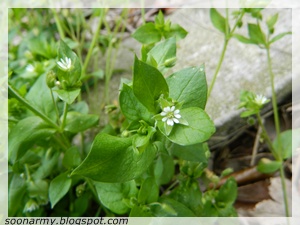
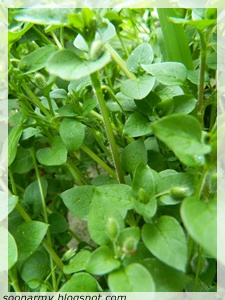
Examples of Greens - Milk Thistle, Chickweed, various garden weeds and spinach.
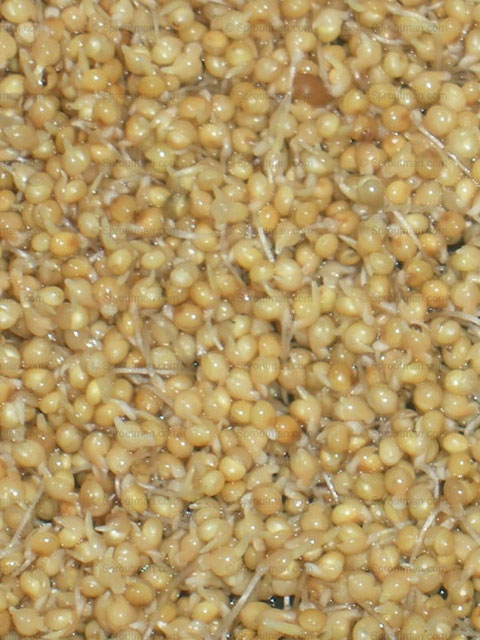
A wonderful source of greens is known as Sprouted Seed. Sprouted Seed is actually dry seed that has been washed and placed in a moist environment allowing the seed to germinate or at least reach the first signs of sprouting. During this initial period the seeds hold high nutritional value and are a well-received treat for any species of finch.
It is also a good idea to mix sprouted seeds into your Soft food mixture as this will enhance the nutritional value of the soft food.
Chickweed
Green Japanese Millet Seed heads 
Sprouted Seed
4.Breeding
Some Birds such as Zebra Finches and Bengalese may breed all year round while others have their specific breeding seasons.
So it`s important to know when the birds you keep are most likely to breed. This enables you to make the necessary preparations: Change of diet, provision of nesting sites, provision of suitable nesting material and very importantly:
in the case of many species which are not dimorphic, make sure you have a true pair. If necessary have them Surgically tested or Blood (DNA) tested.
This could save you years of disappointment waiting for birds to breed which are not a true pair.
(i) Nest boxes
Many different types, shapes and sizes.
Place at different heights and not too close to each other
Nest Boxes differ from specie to specie:-
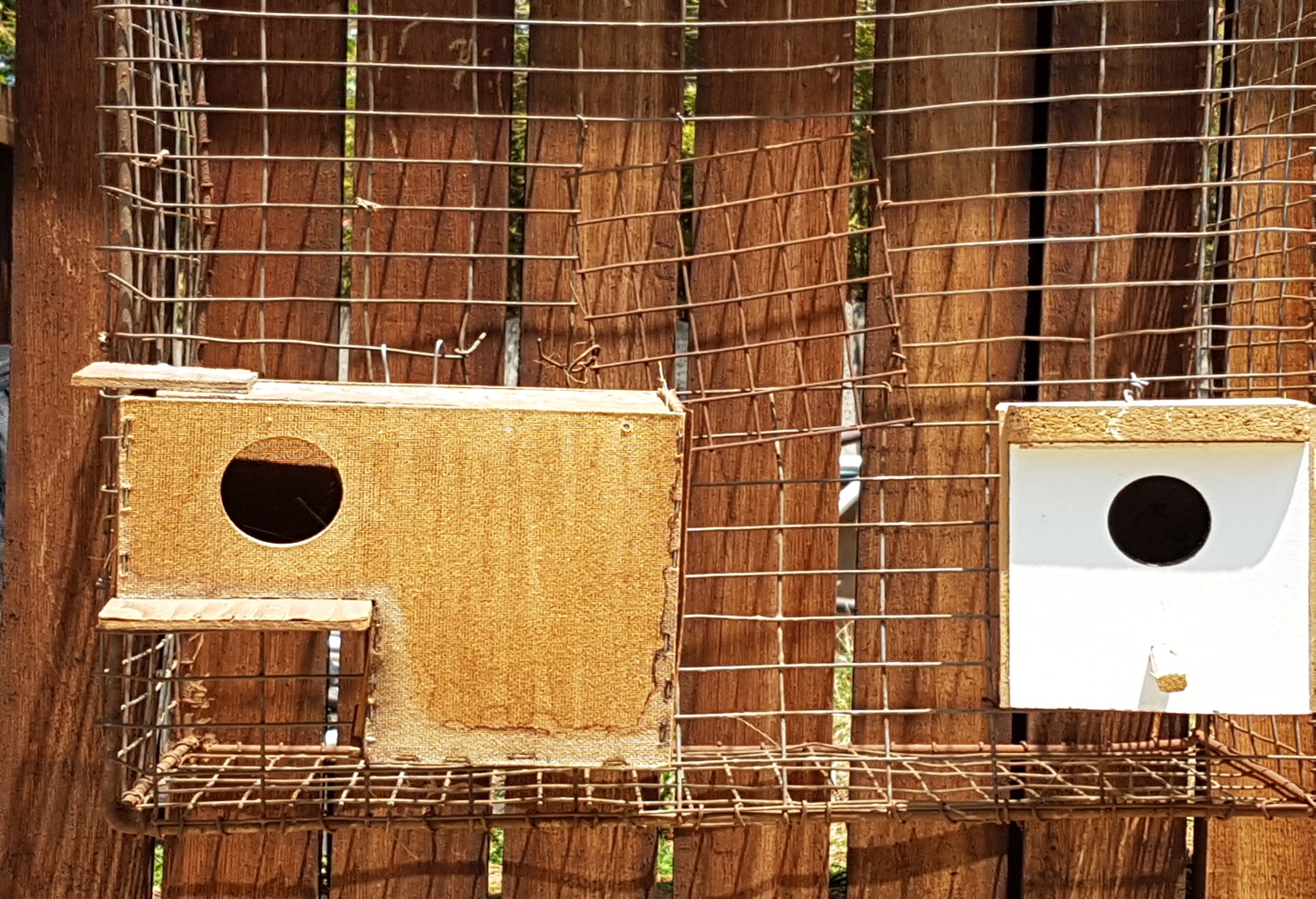
L shaped nest boxes. Gouldians Normal Finc Nest Box
Finch boxes (For smallerfinches) Grass finches and Bengalese

Polypropylene Finch nest Box Log Nest
(ii) Nesting Sites
Provide a variety of sites:-
Inside Shelter area and Flight area :
Wire Frames filled with Blue bush.
Clumps of Blue Bush hanging upside down from the roof
In Plants Such as Clumps of grass
(i) Nesting Material.
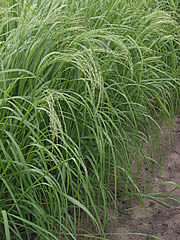
Teff Grass seed heads
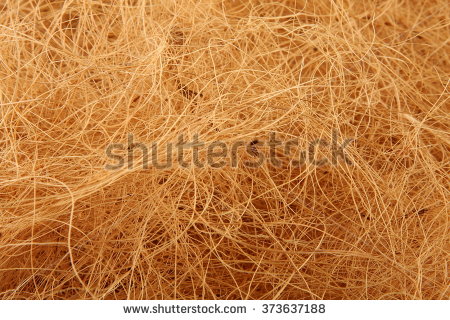
Coir
(iv) Diet
In general, Most of our finches in South Africa breed in Winter . In the case of Gouldians, they usually start about January while other Australian and African birds start slightly later going through till about August.
Soft food, Live food and greens should therefore be increased to stimulate and cater for the oncoming breeding season
The average incubation period for most Finches is 12 days. So note when the last egg is laid and depending on the species, ensure they have adequate food to feed their newly hatched young.
Best results are obtained if you can resist too many nest inspections. Some birds are a lot more sensitive than others !
